 £
£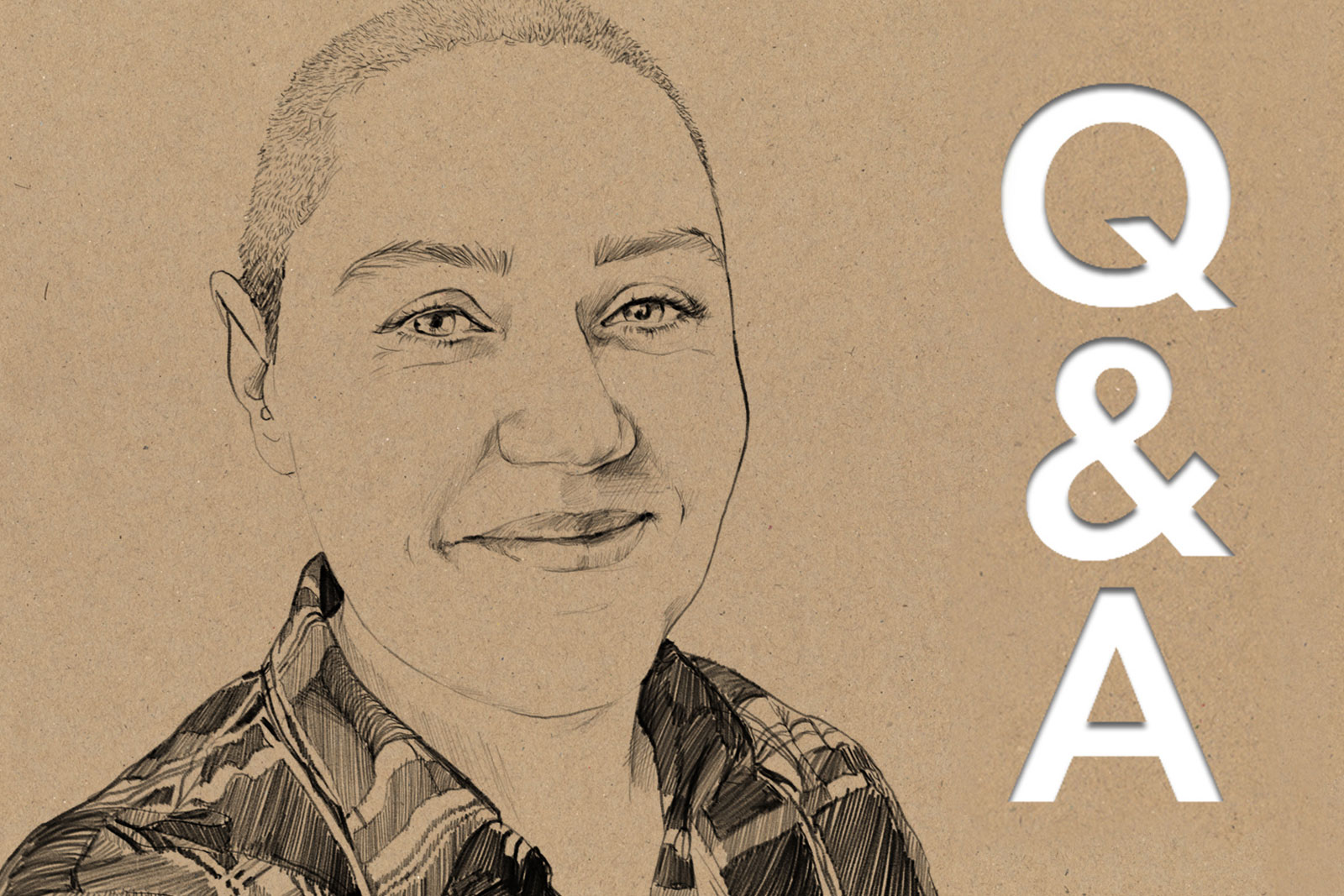
Eva Carson's short story Owen's Wynd appears in our first anthology, Broken Ground. Here she is to answer some questions about reading, writing, and her story.
Q&A with Eva Carson
Can you tell us anything about the inspiration behind your story ‘Owen’s Wynd’?
My story is inspired by several of the beautiful old towns and villages that can be found north of Kirkcaldy on the east coast of Fife, and by the desire to write a love letter to the classic ghost stories of M R James, with a nod to one of his best-loved works: 1904’s ‘Oh, Whistle, and I'll Come to You, My Lad’.
The games with M R James in the story are fun, but Owen’s Wynd as a whole is a much more interesting story than a simple by-numbers pastiche. Is it hard to get the balance right as a writer between referencing what’s come before, and still making a story that’s substantial and worthwhile in itself?
In his entertaining 1931 essay ‘Ghosts – Treat Them Gently!’, James draws attention to the importance of setting for the ghost story:
‘Since the things which the ghost can effectively do are very limited in number, ranging about death and madness and the discovery of secrets, the setting seems to me all-important, since in it there is the greatest opportunity for variety.’
The setting of my story ‘Owen’s Wynd’, it turned out, had three main aspects: I’d devised my wee Fife coastal village. I’d mapped out the sensibility of the contemporary people who would visit it and disturb its ghosts. And only then was the story ready to allow a third aspect to hover underneath: the story of ‘Whistle’ itself, written more than a century beforehand. A story that many fans of the ghost story have read and reread countless times, and watched in different adaptations, and listened to being read aloud – a kind of place, it seems to me, that we’ve all visited.
What attracts you to writing short stories in general?
I love prose fiction, and I’m fascinated by the way the length of a work, whether short story, novella, or novel, is part of its expression. The short story is a natural home for the ghost story – partly because the short story does so well with glimpse and encounter, and partly because it can be read in one sitting. The ghost story is one of our strongest links to the very old human activity of telling stories around the fire.
"The ghost story is one of our strongest links to the very old human activity of telling stories around the fire."
And how about the appeal of supernatural or speculative fiction? What draws you to using those ideas in your work?
For the joy of it, and because it’s one of the best ways I know to get at something true. The framework underlying the Jamesian ghost story is one of the ancient frameworks, an archetypal structure to do with hubris and ignorance, the trespass that results, and the subsequent blunders that allow the wicked thing its chance. All the real stuff about being human. It’s a wonderful kind of serious fun.
When and where do you most enjoy writing?
When I’m drafting, fully absorbed in the act of getting the story onto the page, I always want to be at home, with at least a couple of hours free and no interruptions. But long before drafting, there are notes, observations, and sentences written down, and pages filled with the enjoyment of following an idea. That can happen wherever I happen to be. If I don’t have a notebook with me, the notes app on my phone is just fine.
"But long before drafting, there are notes, observations, and sentences written down, and pages filled with the enjoyment of following an idea."
Moving on to your own reading, what’s your ideal time and place to read?
I especially love reading in the quiet moments of a holiday, and how the memories of reading become part of the memories of the trip. But otherwise, the ideal conditions are at home on the couch. Any time is good. Background noise is okay, music is not. Blankets and cushions are essential, as is the foam pillow thing that I put the book on, and a reading light in the evening. You might be thinking these conditions also veer dangerously close to being the ideal conditions for a nap, and you would be right.
We’re using our Little Uncertainties project here at Uncertain Stories to distribute free short story booklets to readers (and potential readers!) around the country through cafes and bookshops. If you could give copies of one short story – classic or modern – to everybody in your own home town, which story would you choose, and why?
‘The Eyes’ by Edith Wharton. About twenty years ago, when I was around twenty-one years old, Wharton’s classic ghost stories came into my life in a very strange and lovely way, so I’d like to put one out into the world in a project like this.
Do you have a favourite memory of reading a book or story? Maybe a moment that really left an impression on you?
For Christmas last year, my husband gave me some books from the British Library Women Writers series, including the collection ‘Stories for Winter and Nights by the Fire’ from 2023. It’s a superb selection of twentieth century writing and includes stories by several of my favourite authors, but the standout was by someone new to me: Mary Angela Dickens (eldest grandchild of Charles). She writes the only ghost story included in the book: ‘My Fellow Travellers,’ first published in 1906. It’s a lovely, clever story exploring Christian faith and the supernatural. It instantly became a new favourite of mine. Just wonderful.
Finally, do you have a favourite independent bookshop you think people should visit?
The Watermill Bookshop, Gallery, & Café in Aberfeldy in Perthshire, Scotland. It’s housed in a beautiful old mill building and has a great selection of books – a really good place to visit.