 £
£
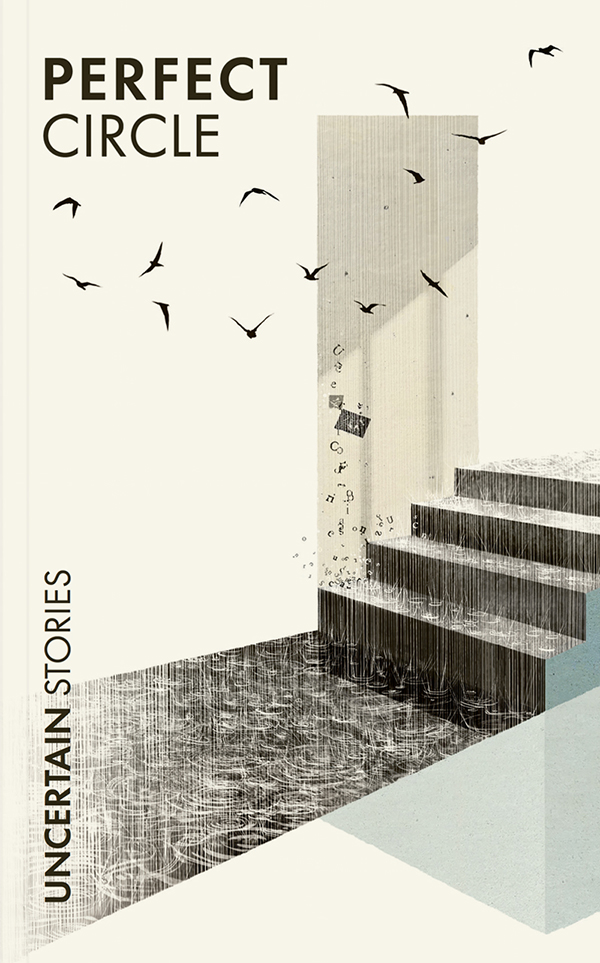
Jo Gatford's story Perfect Circle appears in (and lent its name to) our anthology Perfect Circle. We asked her some questions about writing, reading, and bookshops.
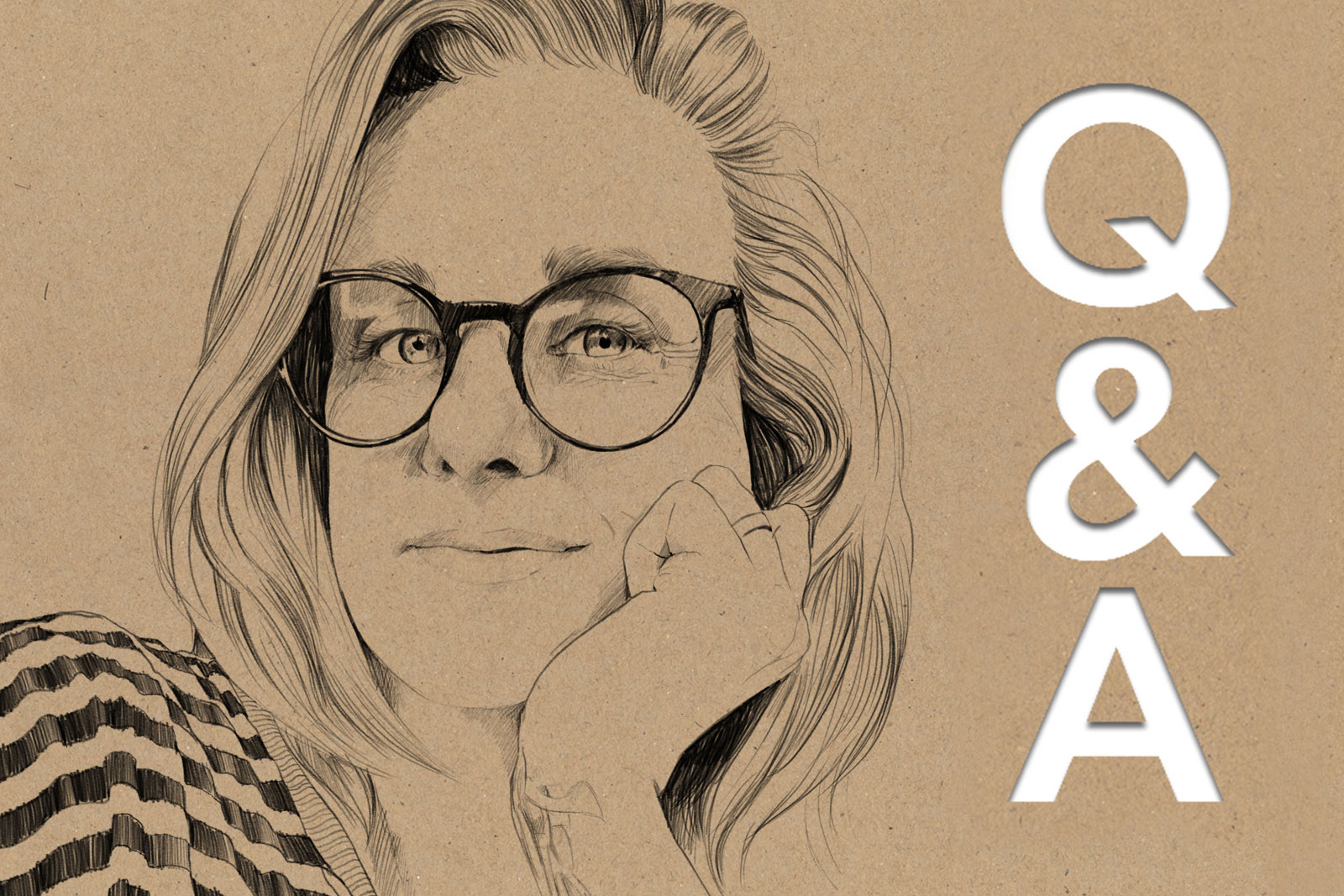
Q & A with Jo Gatford
Can you tell us anything about the inspiration behind your story ‘Perfect Circle’?
I’m working on a short fiction collection loosely based around various astronomical curiosities, and at some point in my research I came across NASA’s mission transcripts (which are a fascinating way to spend a few hours of reading time). They’ve inspired a couple of different stories, but for Perfect Circle it was the horrifying fact that the final words of the Challenger crew were, “Uh oh.” I’d also been reading reports about the impact of SpaceX’s encroachment of public land and nature reserves (along with their various explosive launches), and the idea for a story grew around a fictional shuttle disaster in the desert.
I think I wrote the first few paragraphs at a workshop at the Flash Fiction Festival in Bristol a year or so ago, but it took me a while to realise I wanted to expand it from a flash fiction snippet into something longer. After that, it became more about the long-term aftermath rather than the incident itself, and I ended up surprising myself by taking it several decades further.
What attracts you to writing short stories in general?
Honestly, it’s just nice to be able to close the loop on a story in a few thousand words! Especially when you’re working on longer work like a novel or a screenplay. There’s something satisfying about encapsulating a singular idea in a standalone piece of short fiction — there can still be decades of backstory and hypothetical future either side of it, but we’ve just captured a snapshot. I think shortform (especially flash fiction) is also the best writing teacher for me; it demands such efficiency, precision and clarity, while also allowing for a huge amount of experimentation when it comes to structure and style. I’m continually fascinated by just how much you can do with just a page or two.
I’m continually fascinated by just how much you can do with just a page or two.
And how about the appeal of supernatural or speculative fiction? What draws you to using those ideas in your work?
I find speculative elements creep into my short fiction pretty naturally a lot of the time. You have such a limited number of words to explore an idea, sometimes adding a bit of weirdness is an effective way to get to the point. I also like following the “what if?” threads of a story. And, in fact, allowing myself to go down an unexpected route has frequently helped turn the seed of a concept into something more tangible. I think there’s something about the oddness that gets you closer to the underlying (or sometimes hidden) emotion of the piece. And something about pushing your characters just that little bit further over the edge of reality to get them to react to what’s really going on inside.
It usually doesn’t end up being about the fantasy aspect at all. Even with the collection, which could more easily slip into something more decidedly sci-fi, I’m finding myself drawn to the grounded, mundane elements of it all. Like making pancakes for breakfast on the day your husband’s space shuttle crashes.
When and where do you most enjoy writing? (Do you have an ideal place, or time of day?)
I would love to be a morning person but I’m very much not — unless the very early hours count? I used to be a proper night owl but can’t really get away with that now, although I do tend to hit my creative stride towards the evening.
As for where, I’ve spent years wishing for a ‘room of one’s own’ (rather than the sofa, which is where I usually end up), so my amazing husband built me a teeny little office/shed in the garden. It’s so quiet and peaceful, I regularly lose all track of time out there.
And I’m going to say this also counts as writing: going on long walks leaving myself rambling voice notes about story ideas and noodling out plot points. My dog usually chooses the route, and her favourite places for these kinds of story-walks are deep in the woods, hiking up a near-vertical hill, or scrambling over rock pools at low tide.
Moving on to your own reading, what’s your ideal time and place to read?
I read most nights before bed, although sometimes don’t make it through more than a few pages. My favourite place to read is actually on a bus or train — somewhere where all you have to do is pass the time. Or in a café, where you can occasionally pause to people-watch. Otherwise, working at home, I find it hard to read during the day (as I know I’ll get lost in the book and suddenly find I’ve ignored everything else I was supposed to do).
My favourite place to read is actually on a bus or train — somewhere where all you have to do is pass the time. Or in a café, where you can occasionally pause to people-watch.
We’re using our Little Uncertainties project here at Uncertain Stories to distribute free short story booklets to readers (and potential readers!) across the country through cafes and bookshops. If you could give copies of one short story – classic or modern – to everybody in your own home town, which story would you choose, and why?
Ok, heads up, I’m not going to be able to choose just one, sorry. But going back to the speculative question, the first short stories I ever read were my dad’s stack of Ray Bradbury collections, and The Sound of Thunder was a bit of a literary awakening (and a time travel mind-bender). I love the fact that those kinds of stories can still have the same impact now, so perhaps Thunder would be a good contender to remind folk of the power of a good short story (and a prescient warning about how our actions continually impact on the future).
However, the story I send to almost everyone I speak to about creative writing is The Harvest by Amy Hempel — the writer whose work really opened my eyes to what’s possible with short fiction. Although I can’t imagine ever having the galaxy brain to pull of this kind of interwoven unreliable narrative. It requires real complicity from the reader to stay on track and pick up all the subtext going on; one of those stories you can read over and over again and keep gleaning more.
And finally (because how can you choose just one?!), First Woman Hanged for Witchcraft in Wales, 1594 by Gwen E. Kirby, which is perhaps a mix of both the above: an aspect of the speculative and a multi-threaded narrative that you spend the whole story trying to untangle. I think what I love about all three stories is how they manage to show such a huge span of human behaviour: selfishness, selflessness, violence, tenderness, ambition, simplicity, and the utter absurdity of continuing to make the same mistakes.
Do you have a favourite memory of reading a book or story? Maybe a moment that really left an impression on you?
When I was about fifteen, I used to cycle a few miles alongside the bypass to a local nature reserve and sit in a big old gnarly tree to read. It overlooked an old manor house and I think I was probably channelling some kind of wistful, adolescent Wuthering Heights vibe, but it was a great reading spot. There was one branch that was wide enough to lie on, worn smooth by so many climbing children over the years, and quite often no one would even notice me up there as they walked past.
The tree’s still standing, though unfortunately in skeletal form, and has been cut right back — more of a climbing frame than a literary perch. But I walk my dog through the same woods every week and the history of the manor house and surrounding area ended up inspiring a historical story of my own, so it’s always remained a special bookish place.
Finally, do you have a favourite independent bookshop you think people should visit?
In my hometown of Brighton, I’d recommend Kemptown Bookshop, which runs great author events and has a lovely little café upstairs. And a little further out in Hurstpierpoint, Nixon’s Music & Books: a fantastically creative space run by a talented actor and writer friend of mine, Sam.