 £
£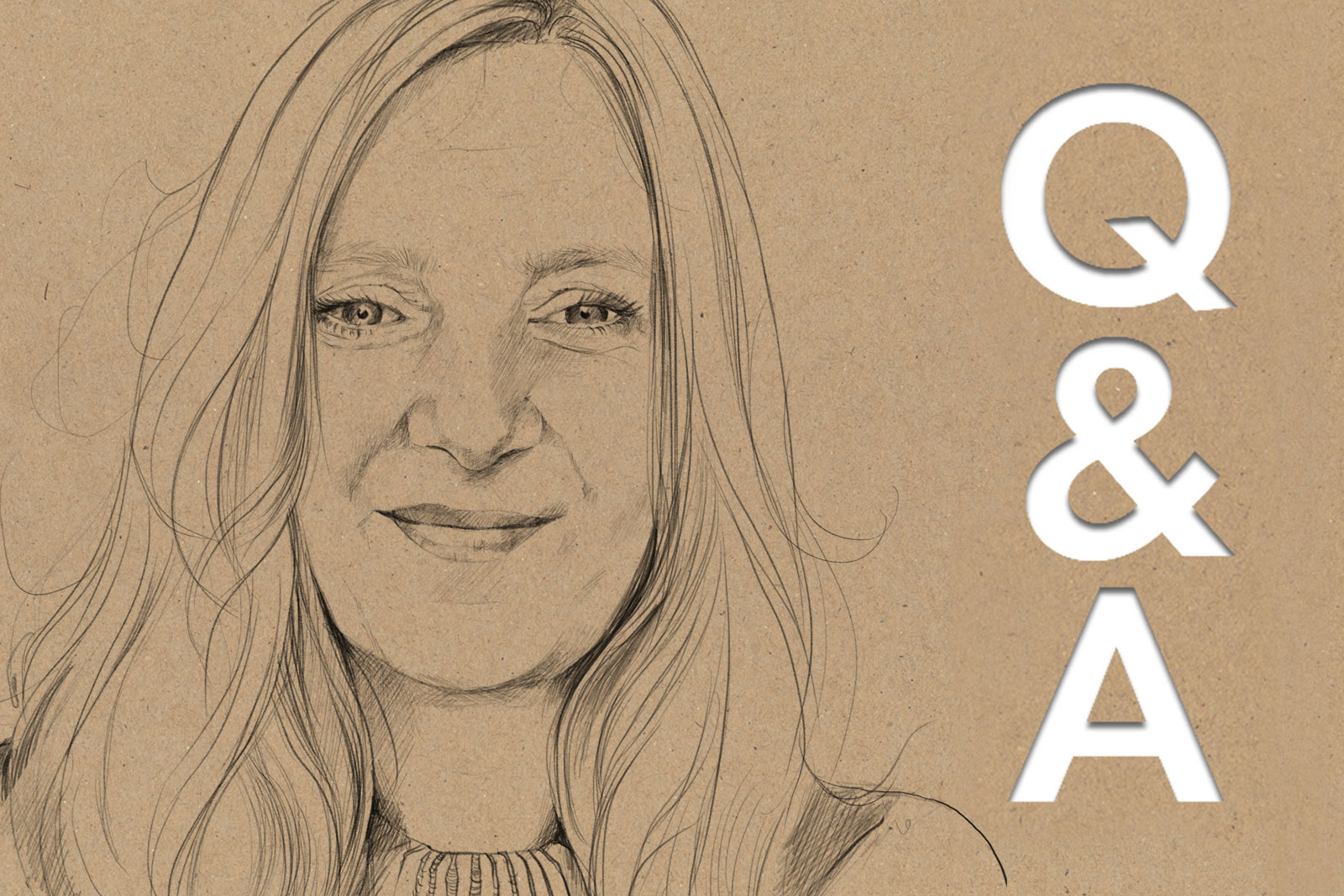
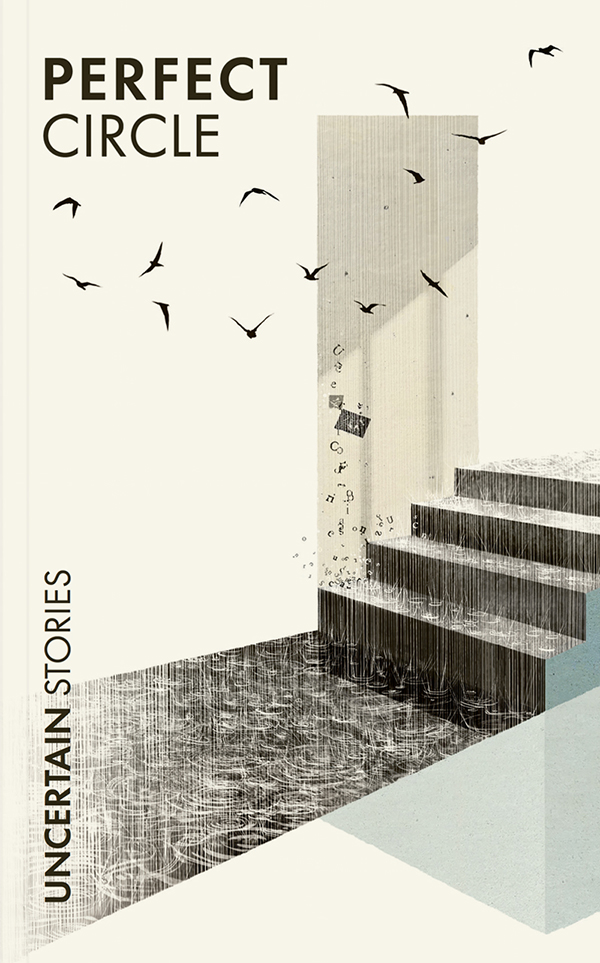
Kathy Hoyle's story Dead Man's Hollow appears in our anthology Perfect Circle. Here she is to answer some questions for us about her story, along with her approach to writing and reading in general.
Q & A with Kathy Hoyle
Can you tell us anything about the inspiration behind your story Dead Man's Hollow?
I’m currently a PhD student, studying working-class oral histories, and I’d been researching northeast oral folk tales and ballads. ‘The Lambton Worm’ was one of my favourite stories at school and I wanted to retell it for the contemporary reader. It was really an act of preservation, since oral storytelling is becoming less prevalent in the region. My aim was to capture, in text, the oral storytelling techniques of the past whilst also preserving old regional dialect that might otherwise be lost.
What attracts you to writing short stories in general?
I think it’s the challenge of writing something emotionally resonant within such a small space. I love the impact of short fiction. The parameters we set for ourselves as short fiction writers mean that every word counts, every single paragraph has meaning. Short stories are wonderful puzzles to be solved and if the writer has done her job well, you can find something new in each and every reading. Leaving little clues and titbits hidden within a story for the reader to find and solve is pretty much my favourite thing to do as a short fiction writer.
Short stories are wonderful puzzles to be solved and if the writer has done her job well, you can find something new in each and every reading.
And how about the appeal of supernatural or speculative fiction? What draws you to using those ideas in your work?
It’s funny because when I first considered this question I thought, well, strange, surreal writing is new to me, and ‘Dead Man’s Hollow’ is the first story I’ve written with these kind of themes, but when I look back through some of my older stories, there does always seem to be an element of surrealism or magical realism in all of them, albeit not overtly. To be honest, I loved the creative freedom of writing an ‘Uncertain Story’. It’s wonderful to be playful, especially in short fiction, which brilliantly allows for this type of experimental work.
When and where do you most enjoy writing?
Much of my writing takes place in the woods! I’m lucky to be surrounded by some wonderful woodland walks so, while I’m out with my dog, Eddie, ideas emerge, plot twists are unravelled and characters reveal their stories. I ‘write’ about 80% of a story in my head initially, then once I feel the idea is ready and I have a clear pathway, I’ll usually draft the whole thing in one or two sittings. Of course, those drafts may then take many, many months to become polished stories. I work better in the mornings and despite having two desks, I’m still guilty of writing mostly in bed in my pyjamas.
Moving on to your own reading, what’s your ideal time and place to read?
The three B’s — bath, beach, bed. I’m pretty much open to reading anything and I love a good romance or thriller just as much as collection of surrealist literary stories. In recent years, I’ve been reading a lot of critical theory for my PhD so anything that allows me a bit of escapism will suffice, but if there’s magical realism, weird folklore or a dragon, then you’ve pretty much already won me over.
We’re using our Little Uncertainties project here at Uncertain Stories to distribute free short story booklets to readers (and potential readers!) across the country through cafes and bookshops. If you could give copies of one short story – classic or modern – to everybody in your own home town, which story would you choose, and why?
Can I pick two? ‘The Lottery’ by Shirley Jackson and Flannery O’Connnor’s ‘A Good Man is Hard to Find’. Both are hard to beat in terms of tension, characterisation and structure. I do love Southern Gothic writing, and those will absolutely knock your socks off.
Do you have a favourite memory of reading a book or story? Maybe a moment that really left an impression on you?
I read from such a young age, my mam incorporated reading into bedtimes and for that, I’ll always be grateful. I think I was about seven or eight when my Mam came into my bedroom and found me sobbing uncontrollably because Aslan had died. The Lion, the Witch and the Wardrobe really did have a profound effect on me, and it was probably the starting point for my fascination with other-worldly realms and creatures.
Finally, do you have a favourite independent bookshop you think people should visit?
The Book Corner in the lovely seaside town of Saltburn in the northeast is gorgeous. The owner is a writer herself and is always keen to promote the work of others.