 £
£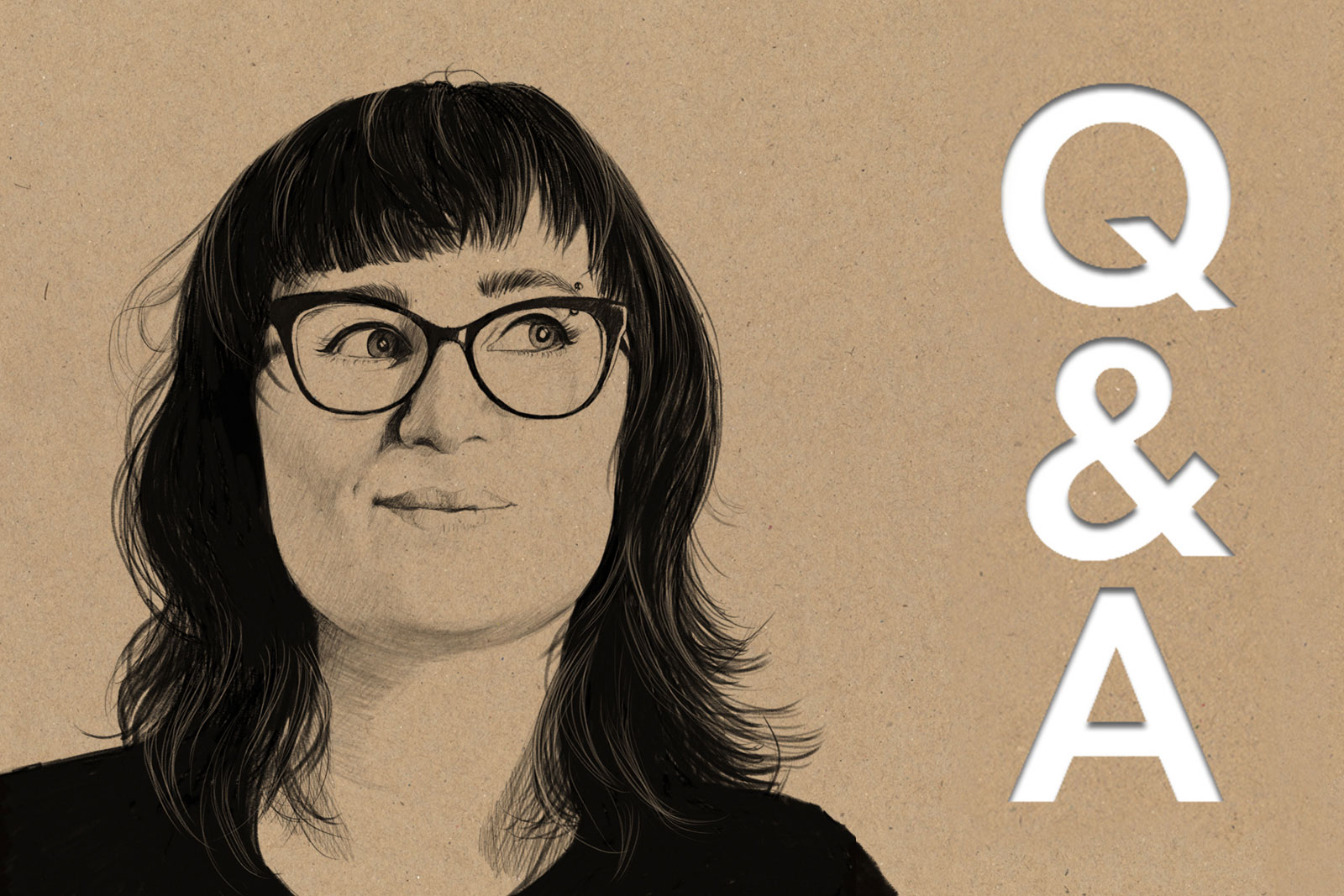
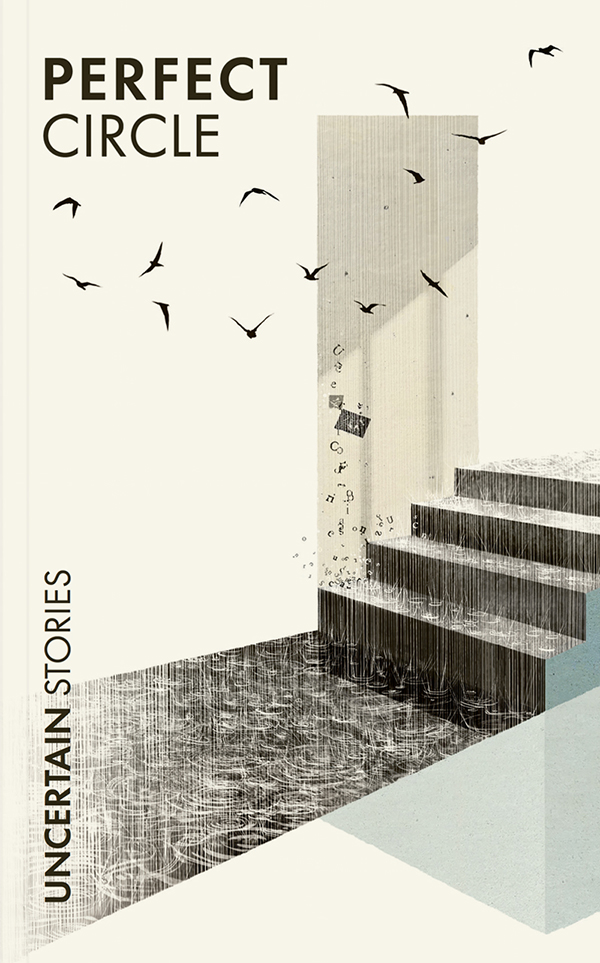
Here's Lauren O'Donoghue, author of the short story The Watchkeeper, to answer some questions for us about reading, writing, and her story. (The Watchkeeper appears in our anthology Perfect Circle.)
Q&A with Lauren O'Donoghue
Can you tell us anything about the inspiration behind your story ‘The Watchkeeper’?
It was inspired by a holiday to the Gower my mum and I took a few years ago. We visited NCI Worm's Head, the coast watch station that overlooks Worm's Head at Rhossili, and I knew immediately I wanted to write a story about it; the remote location, the incredible view, the island cut off at high tide. There was this undercurrent of danger to the beauty, and that feeling was the jumping off point for writing ‘The Watchkeeper’.
What attracts you to writing short stories?
Short stories are precision work. I’ll usually start with a single image, or moment—often something that unsettles me — and build a story around it. They provide an opportunity to evoke a really specific feeling or mood in the reader, and I enjoy the challenge of trying to do that in the most effective and elegant way possible.
Short stories are precision work.
And how about the appeal of supernatural or speculative fiction? What draws you to using those ideas in your work?
I’ve always been a massive fan of the supernatural. There’s something really primal about the fear, and the appeal, of things beyond our understanding. It upends our firmly held beliefs about the way the world works, and that presents all sorts of opportunities for exploring deeply human themes — grief, desire, identity.
When and where do you most enjoy writing?
I’m a morning writer. Absolutely useless after lunch. When I’m actively working on something I try and get up early so I can make the most of my best hours. It’s very boring, but I do genuinely find that I write best just sitting at my computer in my house. I’d love to have a more romantic sort of practice but unfortunately I’m just a bit of a workhorse.
Moving on to your own reading, what’s your ideal time and place to read?
Unlike writing, reading is an anywhere, anytime activity for me. On the sofa, in a cafe, on a train, in the park — my favourite sort of reading is the kind I do on holiday, when I can devour whole books at pace instead of fitting my reading in piecemeal around other commitments. Recently I finished Cuddy by Benjamin Myers while on the train home from Scotland, and in a completely unplanned coincidence I saw a number of locations from the book — Lindisfarne, Durham Abbey — out of the window while I was reading. That was pretty special.
We’re using our Little Uncertainties project here at Uncertain Stories to distribute free short story booklets to readers (and potential readers!) around the country through cafes and bookshops. If you could give copies of one short story – classic or modern – to everybody in your own home town, which story would you choose, and why?
What a brilliant question! I think it would have to be ‘The Way of the Cross’ by Daphne du Maurier. It’s a darkly comic piece of social satire which has always stood out to me among the other, more supernatural stories in her oeuvre. It follows a tourist group from a parochial English village who are visiting Jerusalem with their church. Each character embodies, to a greater or lesser extent, some unpleasant facet of the Middle English character — pride, small-mindedness, snobbery — and each one is eventually brought low by some mishap, exposing their vulnerabilities while finishing on a note of surprising tenderness. Du Maurier’s character work is phenomenal; each voice is so distinct and so funny, and I always find myself becoming deeply invested in the fates of this broadly unlikeable group. I’d choose this story to share in my hometown because, like the story’s fictional Little Bletford, it’s a small town full of big characters, and I imagine many locals would recognise their neighbours in it.
Do you have a favourite memory of reading a book or story? Maybe a moment that really left an impression on you?
I picked up Truman Capote’s In Cold Blood for cheap in a Virgin Megastore when I was thirteen, and read it while on holiday with my family that summer. Though a lot of the content probably went over my head, I remember being left absolutely breathless by the prose. I’d always known that I wanted to be a writer, but I think encountering Capote for the first time was the moment when I started to take that aspiration really seriously.
I’d always known that I wanted to be a writer, but I think encountering Capote for the first time was the moment when I started to take that aspiration really seriously.
Finally, do you have a favourite independent bookshop you think people should visit?
Yes! Juno Books is an intersectional feminist and queer community bookshop in Sheffield. They stock a brilliant range and the staff are always really lovely and helpful. They also have an online storefront for those not lucky enough to be able to visit in person, with a fantastic selection of curated reading lists.