 £
£
Swineside
by David Frankel
EXCERPT
I have two mementos of my visit to Swineside: a photograph and a tape recording.
The photograph shows the three of us — Anne, Clara, and I — on a hillside, leaning on a farm gate. Swineside is behind us. It’s a stocky, stone-built house just visible under the dark, scree-covered bluff of the Caldebank. In the picture we are all laughing. It was, I recall, one of two pictures we took by positioning my old camera on a rock with its timer set. One of the girls must have kept the other picture — Clara I presume. I wonder if she still has it?
The recording, made on a mini cassette tape using a cheap Dictaphone, is brief and poor quality. I haven’t listened to it for a long time. It makes me sad to hear our young voices now — the ghosts of people who ceased to exist a long time ago.
I went to Swineside only once. It was 1991, the autumn of my second year at university, so I would have been nineteen. Anne and I were still together. As I remember it, the house had been in Anne’s family, the Bishops, for as long as there had been records, but perhaps it was only a few generations — still an unfathomable stretch of time in my young imagination. Seen from across the valley in the last light of the evening, as I first saw it on the day we arrived, the perspectives of the gulleys and scree fields created the illusion that the slope behind the house was a vertical cliff, hanging over the building sitting tiny and pale at its foot. It was so oppressive that a visitor might expect the occupants to be stooped from living under the weight of the crags above them.
From outside, the building was impressive; a portico and a large front door gave it a manorial feel. Inside it was clean and stark, but pleasant, and brighter than I’d expected given the dark weight of the scarp behind it. We had the place to ourselves: Anne’s family had gone to Provence for a couple of weeks. I was a little relieved. I’d met her parents once when they came to the campus. They were polite but remote and rather stern, her mother especially. As much as I wanted to be there with Anne, I hadn’t relished the thought of spending the evenings with her parents.
Anne showed us around, and settled Clara into her room. Clara dumped her bag on the bed and crossed to the window, taking in the view of the valley. When she turned back to the room, there was mischief in her voice.
‘It’s such a lovely room. Although, I must say, I’m a bit disappointed.’
Anne looked puzzled and momentarily embarrassed, but she didn’t have time to say anything before Clara continued, laughing, ‘I thought it would be a bit creepier than this, with the ghost and everything.’
Anne looked from me to Clara and back again. I couldn’t quite read her expression.
‘Did you have to tell her?’
…
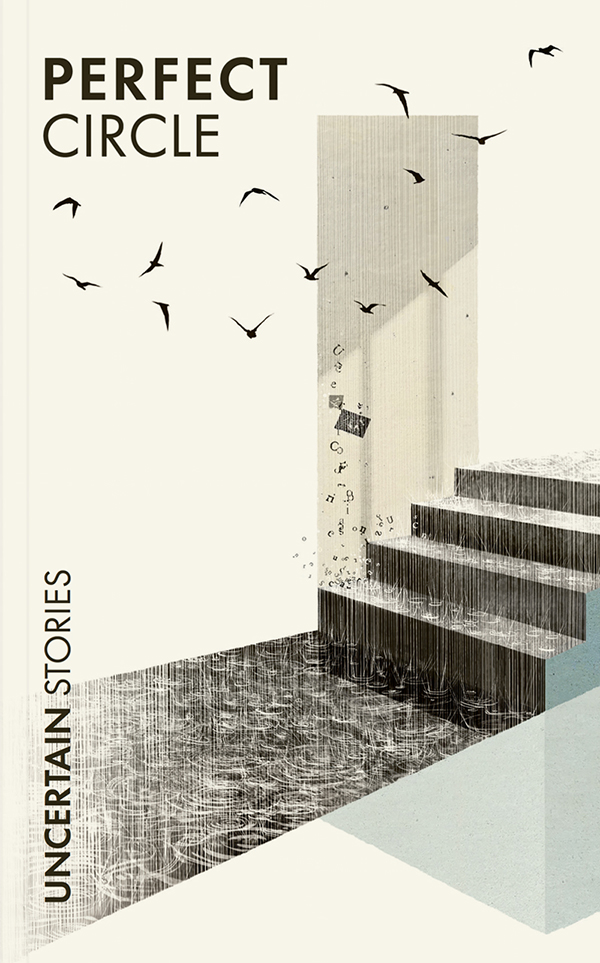
… Read the complete story in our anthology Perfect Circle.
David Frankel
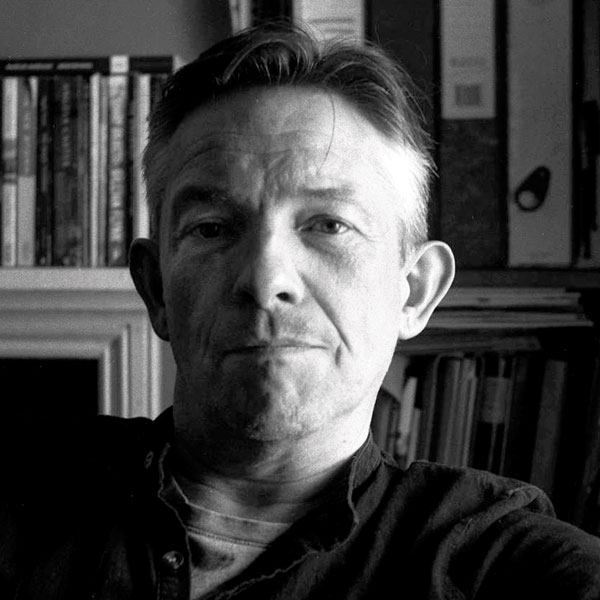
David Frankel’s short stories have been shortlisted in numerous competitions including The Commonwealth Prize, The Bristol Prize, The Bridport Prize, The Society of Authors’ ALCS Tom-Gallon Trust Award, and the Fish Memoir Prize.